Mastering the Art of Sweetening Wine Without Compromising Flavor

Wine lovers often face a common dilemma: how to add a touch of sweetness to wine without ruining its delicate balance. Whether you find a bottle too dry or want to experiment with flavor profiles, sweetening wine can enhance your drinking experience when done right. This guide explores practical, easy-to-follow methods to sweeten wine while preserving its original character.
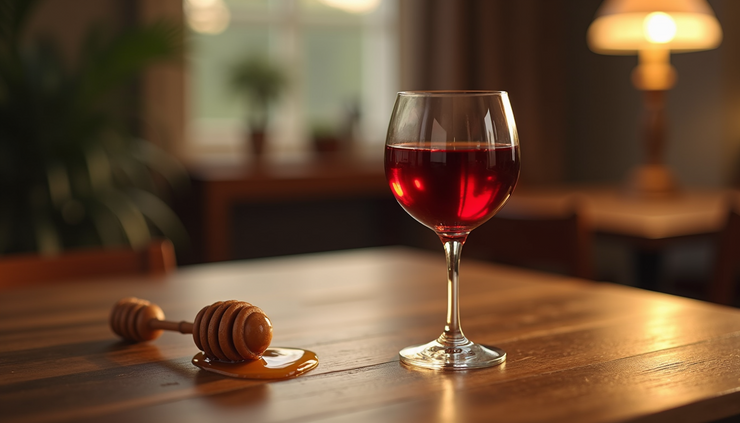
Understanding Wine Sweetness and Balance
Wine sweetness comes from residual sugar left after fermentation. Dry wines have little to no residual sugar, while sweet wines retain more. When you add sweetness to a dry wine, you risk overpowering its natural flavors or upsetting its acidity and tannin balance.
The key is to enhance the wine’s profile without masking its complexity. Sweetening wine is not about dumping sugar or syrup but about subtle adjustments that complement the wine’s existing notes.
Natural Sweeteners to Use
Several natural ingredients can add sweetness without overwhelming the wine:
Honey: Adds floral and fruity notes. Use sparingly to avoid a sticky texture.
Maple syrup: Offers a rich, caramel-like sweetness that pairs well with red wines.
Agave nectar: A mild, neutral sweetener that dissolves easily.
Fruit juices: Small amounts of grape, apple, or pear juice can brighten and sweeten wine naturally.
When using these, start with a small amount—about a teaspoon per glass—and taste as you go. Stir gently to mix.
Avoiding Common Pitfalls
Sweetening wine can go wrong if you:
Add too much sweetener at once, making the wine cloying.
Use artificial sweeteners that can leave an unpleasant aftertaste.
Ignore the wine’s acidity, which balances sweetness. If the wine is very acidic, a little sweetness can help, but too much will clash.
Step-by-Step Guide to Sweetening Wine
Taste the wine first: Identify what it lacks—sweetness, fruitiness, or softness.
Choose your sweetener: Match the sweetener to the wine type. Honey suits reds; fruit juice works well with whites.
Add small amounts gradually: Use a teaspoon or less per glass.
Stir and taste: Mix well and check the flavor after each addition.
Adjust acidity if needed: A splash of lemon juice or a pinch of salt can balance sweetness.
Serve slightly chilled: Cooler temperatures can soften sweetness perception.
Sweetening Different Types of Wine
Red Wine
Red wines like Cabernet Sauvignon or Merlot can handle a touch of maple syrup or honey. These sweeteners add depth without hiding tannins. Avoid sugary syrups that mask the wine’s body.
White Wine
Dry whites such as Sauvignon Blanc or Pinot Grigio benefit from a splash of fruit juice like apple or pear. These juices enhance fruitiness and add natural sweetness without heaviness.
Sparkling Wine
Sweetening sparkling wine requires care to avoid ruining bubbles. Use a tiny amount of agave nectar or a flavored syrup designed for cocktails. Add just before serving.

Creative Sweetening Ideas
Infuse wine with cinnamon sticks and a touch of honey for a warm, spiced flavor.
Add muddled fresh berries and a dash of agave nectar to white wine for a fruity twist.
Mix a small amount of elderflower syrup into sparkling wine for floral sweetness.
These methods add complexity and sweetness without relying on plain sugar.
When Not to Sweeten Wine
Avoid sweetening high-quality or aged wines where the flavor profile is already balanced and nuanced. Sweetening cheap or flawed wine may mask issues temporarily but won’t improve the overall experience.
Final Thoughts on Sweetening Wine
Sweetening wine is an art that requires patience and a light touch. Using natural sweeteners in small amounts lets you enhance flavor without losing the wine’s essence. Experiment with different options and find what suits your palate best.
Next time you find a wine too dry, try these tips to add just the right amount of sweetness. Your taste buds will thank you.

Comments